Well, it depends on the plant! Advantages More insects and other species. Disadvantages More land per unit! So for the same potato, we need more agricultural land, meaning less land for everything else (including wild
Well, it depends on the plant!
Advantages
More insects and other species.
Disadvantages
More land per unit! So for the same potato, we need more agricultural land, meaning less land for everything else (including wild nature).
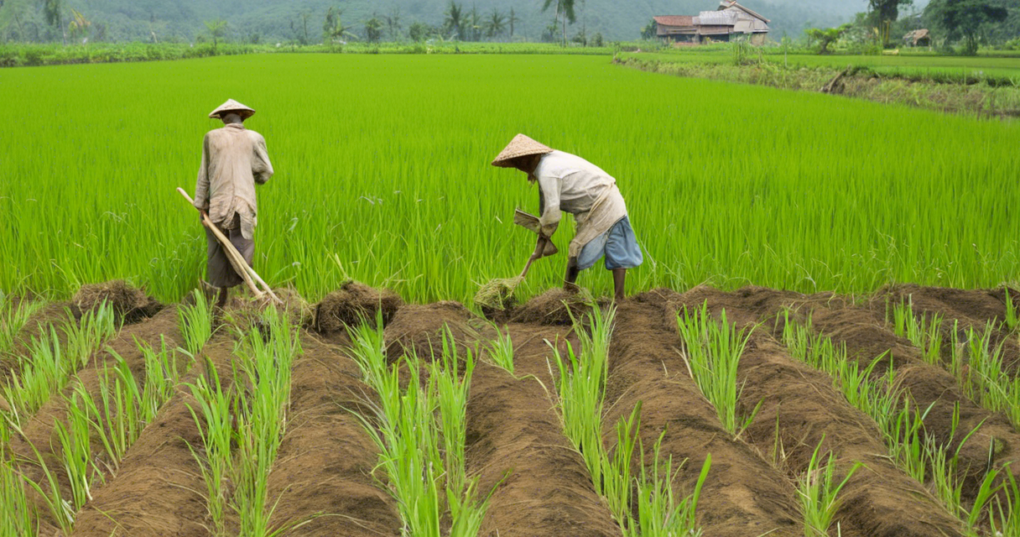
But these two advantages and disadvantages are different for each plant. So we need a diagram 🙂
I asked Mistral, Claude and ChatGPT:
- Can you use whatever information you find and measure the difference for biological diversion for these foods? [A list of food items.] Give points: No difference: 0, Huge difference: 1
- Can you use whatever information you find and measure the extra land needed for growing these foods when doing it ecological?
I then standardized the result by subtracting or adding a constant so that each AI robot got the same mean (since they only compared the plants with each other and not (in the biological case) with something else).
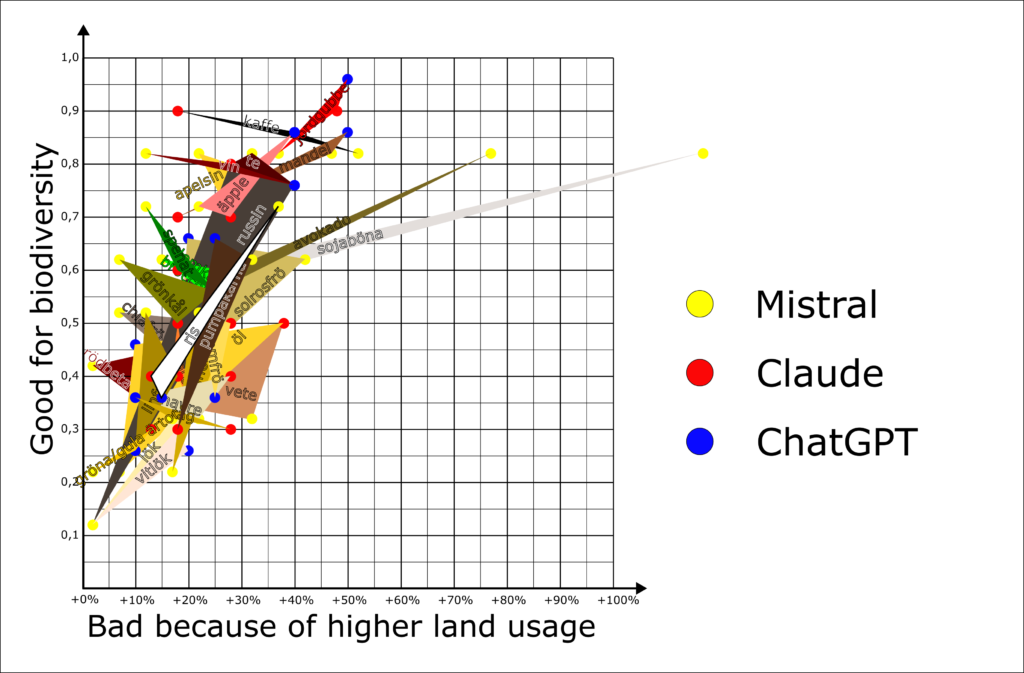
The names of the plants are in Swedish, but the main thing with that graph is that there are some differences, but yet some trends. I took the average of the three, but also found a source for the biodiversity measure, Naturskyddsföreningen (Swedish Society for Nature Conservation). They recommend you buy ecological potatoes, tea, coffee, wine, raisins, almonds, strawberries and bananas, since the production of those use pesticides that are very damaging to insects, but also in some cases humans. So for those products I chose the largest measure.
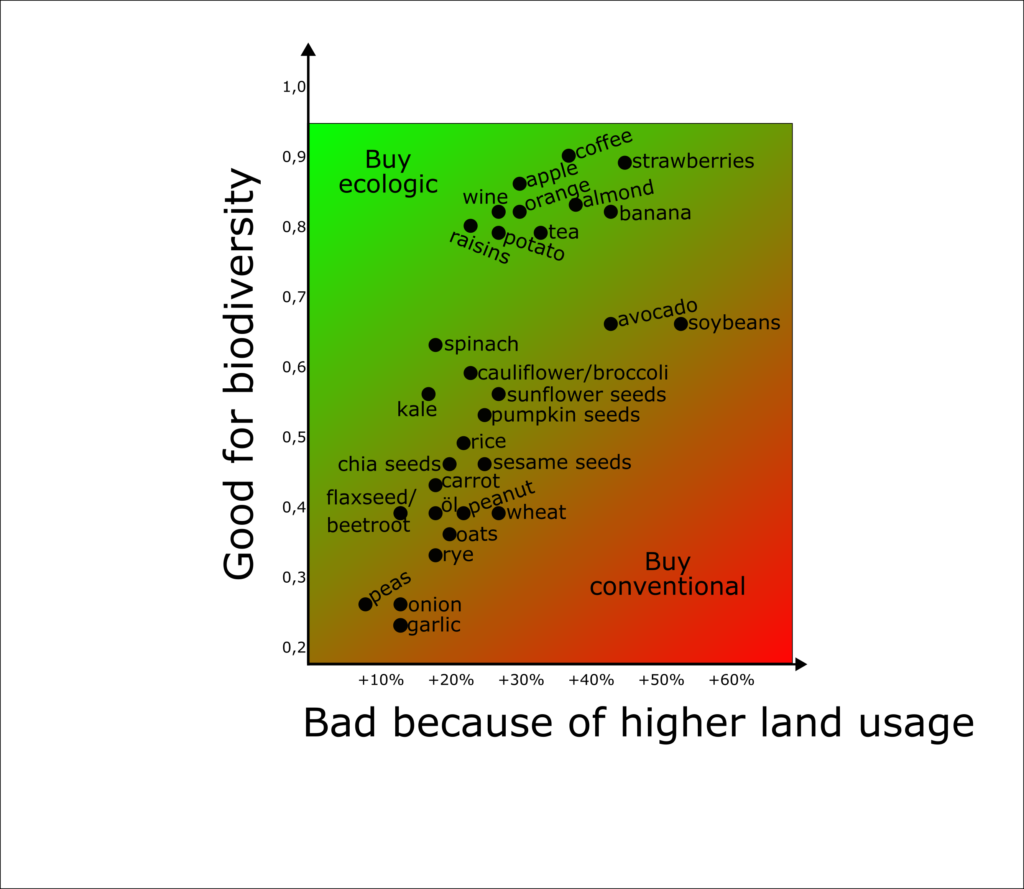
And that’s the result! I used to buy ecological bananas and wine. Now I also buy ecological potatoes, fruits and tea as well. (I eat a lot of potatoes and drink a lot of tea.) I check prices for strawberries and spinach – if the difference is small, I buy ecological. Sometimes the price difference is huge. That can be for many reasons, I’d guess that scale economics is the main. But it could simply be that it uses more land, so sometimes it might be better to buy the cheaper, conventional. (Btw, I’m too lazy to edit the image, but “öl” means beer.)
A lot of plants are missing – the above is mostly what I buy myself. Looking at it now, I for example miss tomatoes and bell peppers. Especially animal products are missing. But if you want to avoid land usage (and other factors), then you simply need to avoid animal products:
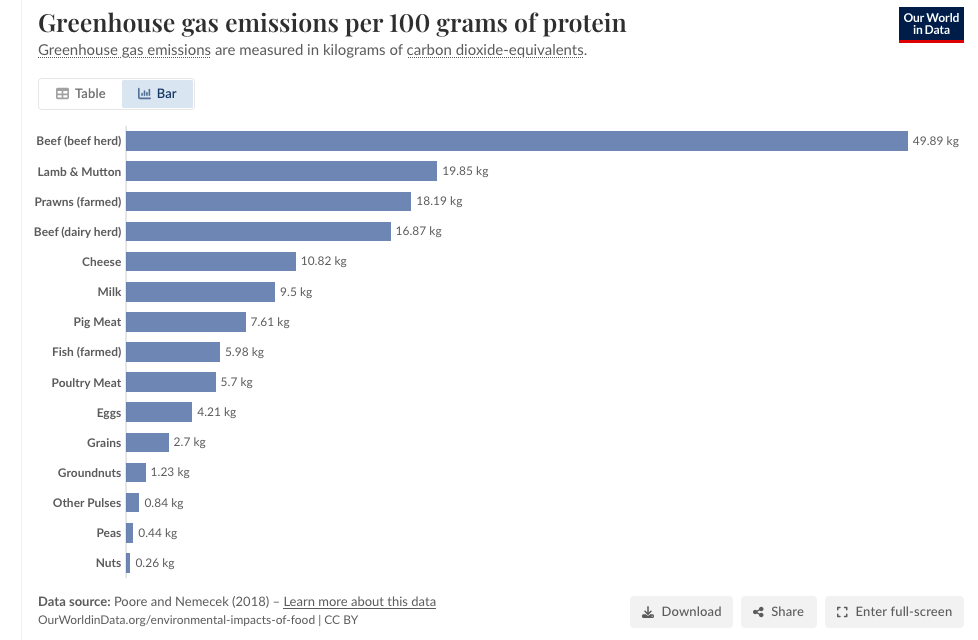
(From Our World in Data)
Chicken is the least environmentally hurtful meat, while pig is the least harmful red meat. But meat chickens (99% of Swedish chicken is Ross 308) and pigs (plus circus animals) are according to my AI robot “the planet’s unhappiest mammals”. Our most common chicken breed is made by humans, and their parents (who give birth to all the eggs) have eternally unhappy lives because of a chronic hunger that can’t be satisfied.
We have created lives that can’t be happy. I think it’s time for another graph:
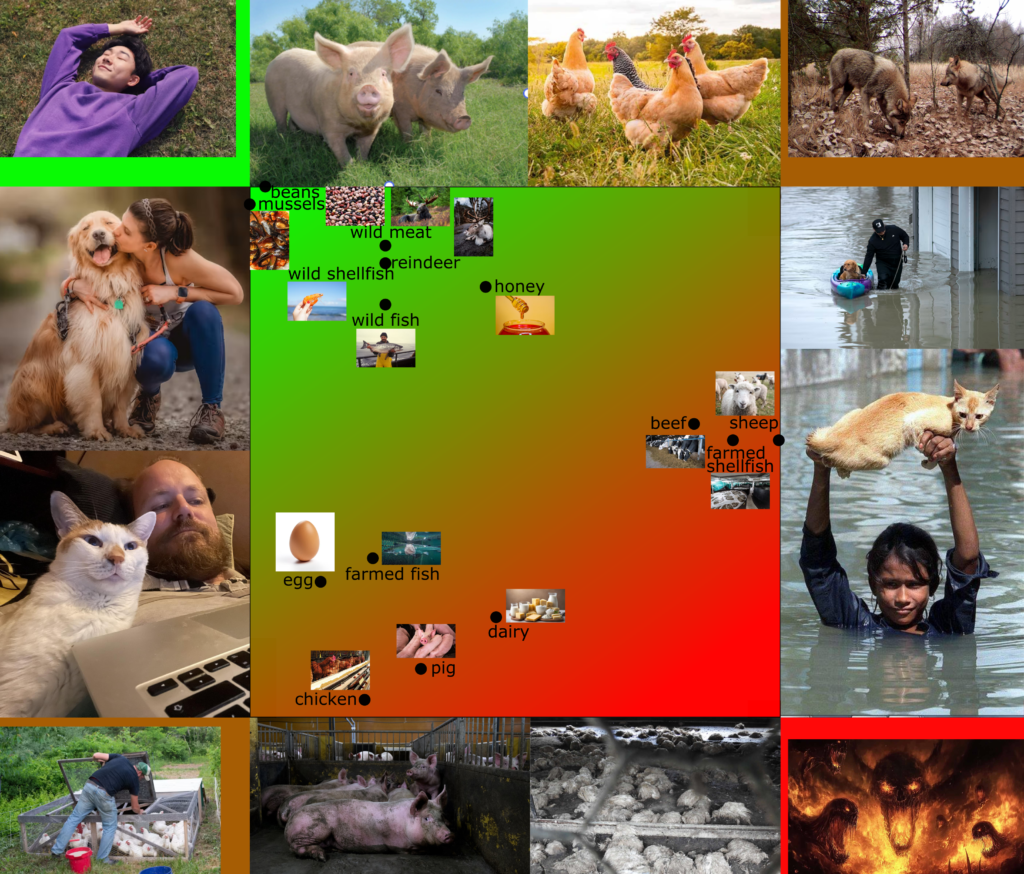
On the left side I have happy humans and their pets. On the right side I have flooded humans and their pets. This scale is the environmental scale (which I have in several cases just calculated using the climate data above). The reason that I say that humans and pets are the ones that care about the environment is since we have built a civilization. In Sweden, people spend thousands of euros on healthcare for the loved ones. And they won’t be able to do that if civilization fails for them, if for example impoverished by the Gulf Stream stopping. Wild animals don’t care about the environment – they’re living in a brutal world already, fleeing for predators, or hunting them, and already live way shorter than pets do.
On the top and bottom I have happy and sad animals. That’s just how the market treats them (because of the efficient market economy, producers who give their animals extra resources lose out in the end).
I haven’t added ecological here, since it hardly affects animal welfare – our animal rights organization Djurrättsalliansen have uncovered several scandals on ecological farms. As for the climate, it’s probably worse, since they eat grain and soybeans, as you can see in the earlier graph.
I’ve used the data from Our World in Data, same as in the diagram above. For species not included there, I’ve just let three AI robots give me numbers, and taken the medium. Same for the “animal pain” diagram. So this is not facts, this is just an example of a way to illustrate the two main issues with choosing animal foods.
The happiest mammals according to my AI robot is dogs, rats and quokkas. The first two are herd animals, and get comfort from each other. Like happy humans. Quokkas are happy since evolution haven’t taught them fear since they have no natural enemies (just like for penguins).


Nancy is not that happy, but that’s just because of my stinking feet.
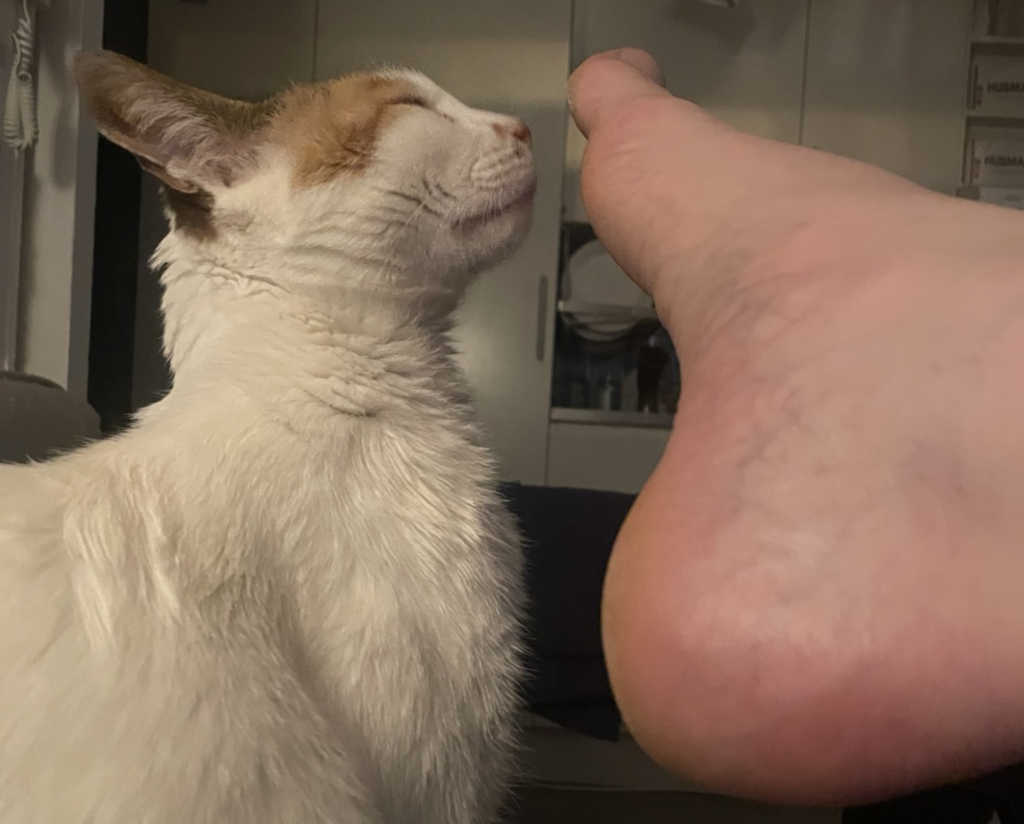
“OMG, stopid hoomans can never learn to lick their feet”
Anyway, it might be all psychological, but I do think the ecological potatoes and bananas taste a lot better.
Have a great day! (If you want to cook something then there’s a very delicious recipe in this article.)
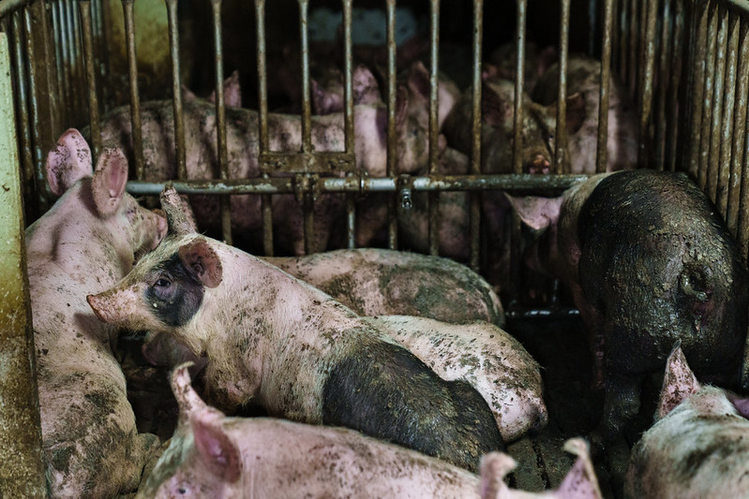

Not like this.